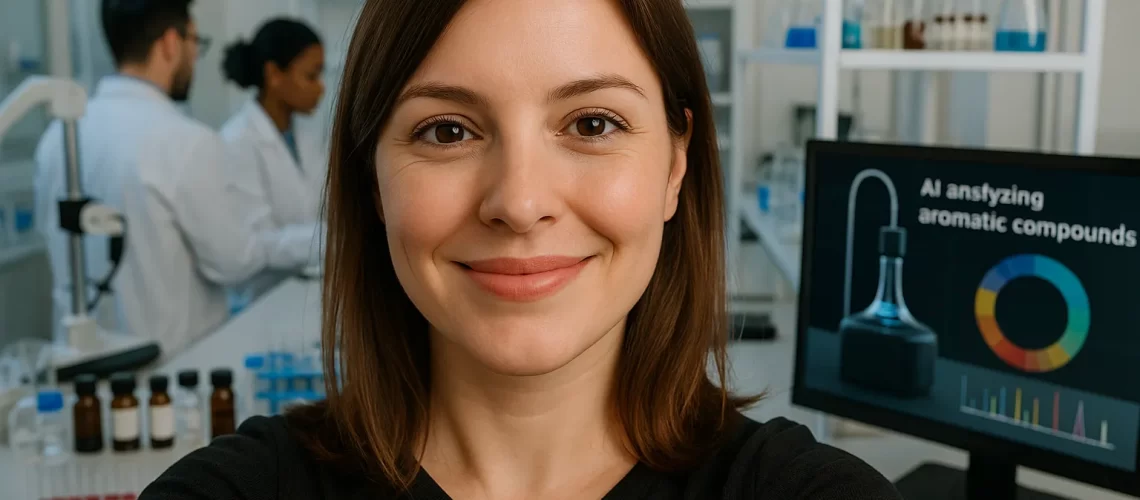

AI Meets Smell: How AI-Based Odor Sensing is Transforming Niche Industries
This article explores the fascinating intersection of artificial intelligence and olfaction, where AI-driven odor sensing technologies are shaping the landscapes of specialized sectors like wine production, perfumery, and hazardous gas detection. With case studies highlighting practical applications, readers will delve into how these digital noses enhance product quality, ensure safety, and foster innovation. The piece discusses both the science behind AI-powered smell detection and its broader implications for industries and consumers alike.
The Science of Smell: How AI Mimics Olfaction
Artificial intelligence has made remarkable strides in replicating human sensory systems, with olfaction, or the sense of smell, being one of the most intriguing areas of research. By mimicking how human noses detect and interpret odors, AI-powered systems analyze chemical compounds in the air to identify complex scent profiles. Using machine learning algorithms, these systems can recognize patterns in vast datasets of chemical signatures, creating a digital nose capable of astonishing sensory accuracy.
The foundation of AI-driven odor detection lies in combining sensors with advanced computational models. Gas sensors detect volatile organic compounds, which are the molecular components of odors, and convert them into data. This data is then analyzed by AI models trained to interpret chemical patterns and associate them with specific smells. Just as humans learn to identify scents through experience, machines use training datasets to refine their ability to classify odors with precision.
Interestingly, AI can go beyond replicating human abilities—it can recognize smells that humans might miss. For example, certain hazardous gases may be odorless or faintly detectable by people, but AI-powered odor sensors can identify these threats with high sensitivity. This enhanced olfactory capability makes digital noses invaluable for safety applications, such as gas leak detection, where timely response is critical. This demonstrates how AI can elevate olfaction to new levels.
Despite their growing capabilities, AI systems replicating olfaction face challenges, particularly in generalization. Human noses excel at distinguishing smells in dynamic and mixed environments. Making machines achieve similar adaptability requires vast amounts of training data and sophisticated algorithms. However, ongoing advancements in materials science and computational modeling are steadily closing this gap, paving the way for more versatile and reliable applications of AI-powered smell detection in the future.
Game-Changing Applications: From Wine to Hazardous Gas Detection
AI-powered odor detection has revolutionized industries like wine production, where precise aroma profiling is crucial. By analyzing the chemical composition of wine, these technologies help winemakers assess quality, ensuring each bottle meets high standards. This process aids in identifying subtle variations in flavor profiles, optimizing fermentation, and even predicting market trends. The result is not only better consistency but also the ability to innovate with unique blends, enhancing the overall wine-tasting experience for consumers.
In the perfume industry, AI-powered smell detection is equally transformative. Digital noses can analyze fragrances with an unprecedented level of detail, offering insights that help perfumers craft harmonious scents. By understanding the chemistry behind each aroma, AI assists in creating intricate formulations that cater to individual preferences or global trends. This application saves time, reduces trial-and-error costs, and ultimately leads to personalized scents that resonate with niche and mainstream audiences alike.
Another vital application lies in health and safety, particularly in hazardous gas detection. AI systems equipped with gas sensors can identify harmful gases even when they are imperceptible to humans. These digital noses provide early warnings, preventing potential disasters in industrial, residential, or environmental settings. Their ability to operate with high sensitivity and speed makes them essential for monitoring air quality, ensuring safety protocols, and safeguarding human lives in various high-risk environments.
The food industry also benefits from AI’s ability to detect and analyze odors in quality control processes. Digital noses can ensure the freshness of meat, fish, or produce by identifying spoilage-related compounds before they become apparent to human senses. This technology minimizes waste while maintaining safety standards, which is especially critical in global supply chains. By improving oversight at every stage, from production to consumption, these systems foster trust and satisfaction among consumers.
As AI-driven smell detection continues to advance, its applications grow more diverse. Beyond niche areas, digital noses are exploring new frontiers like personalized medicine and environmental monitoring. For example, AI could diagnose certain diseases by analyzing a patient’s breath for biomarkers or detect pollution levels with extraordinary precision. These innovations highlight how intelligent odor-sensing technology not only enhances existing industries but also introduces groundbreaking possibilities that address global challenges and improve daily life.
AI is probably the most important thing humanity has ever worked on. I think of it as something more profound than electricity or fire.
Sundar Pichai (2018 January 22)
AI-powered odor detection has revolutionized industries like wine production, where precise aroma profiling is crucial.
The Future of Digital Noses: Opportunities and Challenges
The future of AI-powered digital noses is filled with promising opportunities and intriguing challenges. As technology evolves, these systems are expected to become more versatile, mimicking human adaptability in dynamic environments. This would enable their wider deployment in sectors such as food safety, environmental monitoring, and personalized healthcare. However, achieving such generalization is a complex task, necessitating advanced algorithms, extensive datasets, and breakthroughs in sensor technology to seamlessly replicate human olfactory capabilities.
One significant opportunity lies in refining healthcare applications through digital noses. These AI systems could analyze biomarkers in patients’ breath with extraordinary precision, leading to non-invasive diagnostics for conditions like diabetes or even certain cancers. Such advancements could revolutionize preventive medicine by enabling earlier detection and treatment strategies. Yet, scaling this technology requires addressing hurdles like regulatory approval and patient trust, both of which demand rigorous validation and consistent performance across diverse populations.
In industries like perfumery and wine production, digital noses are also on track to redefine innovation. These systems could offer producers real-time insights into chemical compositions, allowing for customization and enhanced quality control. While exciting, this progress hinges on balancing creativity with technical precision. Machines must not only analyze odors accurately but also interpret complex sensory feedback that resonates with consumers, posing a sophisticated challenge that integrates artistic intuition with scientific rigor.
Despite their potential, the widespread adoption of digital noses faces economic and technical challenges. High development costs and the need for specialized sensors may limit accessibility for smaller businesses. Additionally, ensuring consistency in performance across diverse environments remains a technical obstacle. However, as materials science advances and costs decline, the accessibility of these devices could improve, paving the way for broader use and increased benefits across both niche and mainstream applications.
Looking ahead, ethical considerations will also play a pivotal role in shaping the future of digital noses. Questions around privacy and data ownership could emerge as these systems expand into personalized and sensitive areas like healthcare. Striking a balance between technological innovation and ethical usage will be essential to gain consumer trust and ensure positive societal impacts. Addressing these concerns early will help strengthen the credibility and long-term adoption of AI-powered smell detection technologies.