
The Role of AI in Shaping Cutting-Edge Industrial Trends
Artificial Intelligence (AI) is reshaping industries worldwide, pushing the boundaries of automation, efficiency, and innovation. This article delves into how AI-driven technologies, such as machine vision, predictive maintenance, and logistics optimization, transform sectors such as manufacturing, supply chain, and energy. By exploring real-world applications and recent advancements, it highlights the invaluable role of AI in solving complex industry challenges and streamlining processes for a smarter future.
Revolutionizing Industries: AI's Expanding Role
Artificial Intelligence (AI) is steadily revolutionizing industries, becoming a cornerstone of innovation and progress in multiple sectors. By integrating AI technologies, businesses are overcoming long-standing challenges and unlocking unprecedented opportunities. This transformation is evident in fields like manufacturing, healthcare, and transportation, where automation and intelligent systems streamline operations and boost efficiency. As AI capabilities grow, industries are rewriting traditional practices to adapt to a smarter and faster-paced global economy.
One of the profound impacts of AI is its ability to enhance decision-making processes. By analyzing vast amounts of data at lightning speeds, AI empowers businesses to make precise, data-driven decisions that were once impossible. This analytical power translates into improved productivity, reduced costs, and better quality outputs. Whether it’s detecting inefficiencies on a production line or optimizing resource allocation, AI is reshaping how industries approach problem-solving and planning.
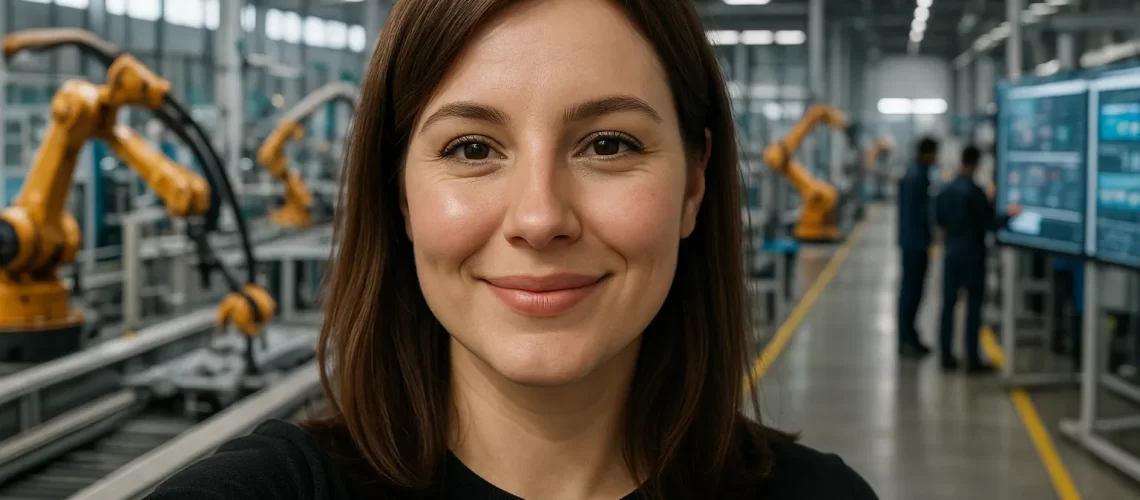
Additionally, AI is driving remarkable advancements in industrial automation, laying the foundation for smarter technologies. Robotics powered by AI are transforming manufacturing floors, executing tasks with precision and consistency. In the supply chain, AI optimizes logistics by predicting demand fluctuations and streamlining delivery routes. These applications not only enhance efficiency but also build resilience, allowing industries to adapt quickly to disruptions and maintain seamless operations in dynamic environments.
The rapid adoption of AI also fosters innovation by opening doors to entirely new possibilities. For instance, machine learning models enable predictive maintenance, reducing downtimes and prolonging machinery life. AI algorithms improve energy management in real-time, lowering costs and promoting sustainability. These advancements fuel growth across sectors, encouraging further investment in research and development. As AI becomes more sophisticated, its role in revolutionizing industries will only grow stronger.
AI is one of the most important things humanity is working on. It is more profound than electricity or fire.
Sundar Pichai (2018 January 24)
Key Technologies Driving Innovation
Artificial Intelligence (AI) fuels innovation across industries by leveraging key technologies that drastically improve performance and efficiency. Among these, machine learning plays a crucial role in driving intelligent automation. By analyzing large volumes of data, machine learning algorithms enable systems to self-improve and adapt to evolving circumstances. These capabilities revolutionize processes like quality control, customer interactions, and inventory management, paving the way for smarter, data-driven approaches to industrial operations.
Another breakthrough lies in natural language processing (NLP), a technology that facilitates seamless communication between humans and machines. By enabling systems to understand and respond to human language, NLP drives advancements in customer support, document processing, and knowledge management. For example, chatbots equipped with NLP can efficiently resolve customer inquiries, while automated transcription tools simplify record-keeping. Such applications highlight how AI technologies enhance usability, accessibility, and decision-making across diverse fields.
Computer vision, a core AI-driven innovation, is transforming how industries interpret visual data. This technology empowers machines to analyze images and videos with remarkable accuracy, offering solutions for challenges such as defect detection, security monitoring, and medical imaging. On manufacturing floors, computer vision automates quality inspections, ensuring consistency and reducing waste. Its implementation in healthcare aids diagnosis by identifying abnormalities in scans, underscoring its versatility and widespread benefits.
AI's predictive analytics capabilities are reshaping how businesses anticipate and prepare for the future. By analyzing historical and real-time data, predictive algorithms forecast trends, detect risks, and optimize decision-making processes. This approach benefits industries like energy, where demand forecasts improve resource allocation, and finance, where risk models minimize losses. The ability to predict outcomes with precision ensures organizations make strategic, informed choices, enhancing competitiveness in rapidly changing markets.
These technologies collectively fuel a dynamic cycle of innovation, enabling industries to achieve efficiency and agility at unprecedented levels. Their implementation not only addresses current challenges but also unlocks possibilities for future applications. From streamlining logistics to enhancing healthcare delivery, AI-powered advancements inspire continuous growth across sectors. As AI technologies mature, their transformative potential will deepen, reinforcing their pivotal role in shaping the future of industry and commerce.
Computer vision, a core AI-driven innovation, is transforming how industries interpret visual data.
AI's Impact on a Smarter, More Efficient Future
Artificial Intelligence (AI) has emerged as a pivotal force in creating smarter, more efficient industries by automating processes and optimizing performance. By harnessing data-driven insights, organizations can unlock unprecedented levels of operational efficiency. From streamlining production lines to improving service delivery, AI works as an enabler of innovation, allowing companies to focus on creative, high-value activities. This transformation accelerates growth and adaptability in an ever-changing, competitive marketplace.
The ability of AI to improve efficiency extends to its capacity for predictive maintenance, a game-changer for industries reliant on complex machinery. By analyzing sensor data, AI can detect potential failures and recommend timely interventions, reducing costly downtime. This proactive approach not only lowers expenses but also extends equipment lifespan. The seamless integration of AI-driven maintenance solutions boosts productivity and ensures smooth operations across industries like manufacturing and energy.
Integrating AI into the supply chain revolutionizes logistics by improving decision-making and resource allocation. AI analyzes trends and real-time data to forecast demand, enabling businesses to anticipate supply chain fluctuations. This results in optimized delivery routes, reduced waste, and faster service. By responding dynamically to market changes, AI helps companies manage disruptions efficiently, ensuring resilience. These advancements make supply chains smarter, more agile, and better equipped to meet consumer needs.
AI is also reshaping energy management, enhancing sustainability through smarter resource utilization. Real-time AI algorithms optimize power usage, identifying where savings can be achieved without disrupting operations. In sectors like renewable energy, AI predicts production patterns and balances supply with demand, ensuring reliability. These advancements promote environmental responsibility while lowering operational expenses. By fostering sustainability, AI enables industries to contribute to a greener future while simultaneously boosting their efficiency and competitiveness.
As AI continues to evolve, its transformative impact on industrial efficiency and innovation will deepen. Machine learning, computer vision, and natural language processing are scaling new heights, enabling industries to redefine traditional practices. By addressing complex challenges and unlocking new opportunities, AI fosters a cycle of continuous improvement. Its integration leads to smarter workflows, greater resilience, and the potential for groundbreaking discoveries that shape a more efficient and sustainable global economy.