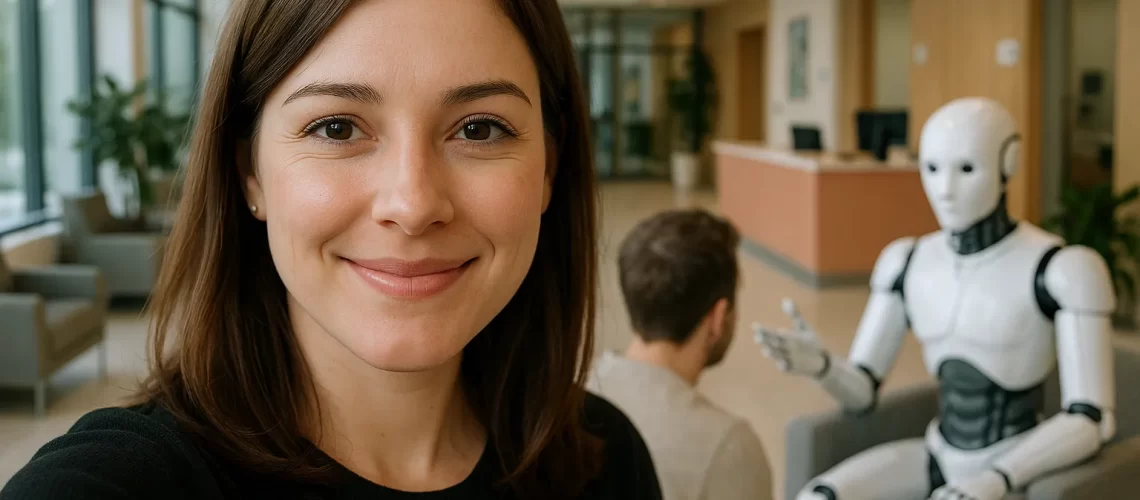

Humanoid Robots and Emotional AI: Bridging the Gap Between Machines and Human Connection
This article delves into the fascinating developments of emotional artificial intelligence (AI) integrated with humanoid robots. It explores how these advancements are redefining human-robot interactions by enabling machines to recognize, interpret, and respond to human emotions. Highlighting applications in healthcare, education, and customer service, it showcases how these innovations hold the potential to reshape industries while raising critical ethical and societal concerns.
1. Emotional AI and Humanoid Robots: The New Frontier of Interaction
2. Transformative Applications in Healthcare, Education, and Beyond
The advance of technology is based on making it fit in so that you don't really even notice it, so it's part of everyday life.
Bill Gates (2001 November 14)
3. Ethical Dilemmas and Societal Impacts in the Age of Emotional Machines
As humanoid robots equipped with emotional AI become increasingly capable of interpreting and responding to human emotions, a host of ethical dilemmas arises. A key concern is the potential for emotional manipulation. If machines can replicate empathy or compassion convincingly, they might exploit human trust in contexts like marketing or political persuasion. Such scenarios raise questions about the boundaries of artificial relationships and whether society should regulate emotional interactions with technology.
Another pressing issue involves privacy. Emotional AI systems often rely on data from facial expressions, tone of voice, and behavioral patterns to interpret emotions. For these technologies to function effectively, they must collect sensitive personal data, raising concerns about consent and misuse. Without stringent safeguards, individuals risk losing control over how their emotional states are monitored, analyzed, and shared, eroding the trust essential for human-robot interaction.
The societal impact of emotional AI extends to labor dynamics as well. With robots potentially outperforming humans in emotional labor-driven jobs, such as caregiving or therapy, there’s a risk of displacement for professionals in these fields. While robots can assist by filling gaps in overburdened industries, their widespread adoption could devalue the human touch, fundamentally altering how society values emotional intelligence in human professionals.
Finally, there’s the philosophical question of authenticity in emotional connections. Can a machine that mimics empathy truly connect with humans, or is this merely an illusion? The rise of emotionally intelligent robots challenges long-held beliefs about the uniqueness of human emotion, posing profound questions about identity, relationships, and the essence of human connection. These are complexities society must grapple with as technology continues to advance rapidly.
Can a machine that mimics empathy truly connect with humans, or is this merely an illusion?